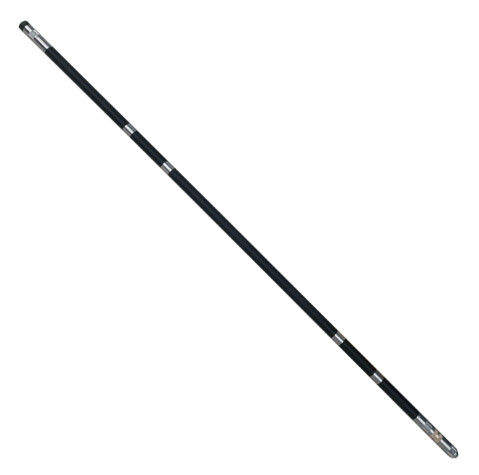
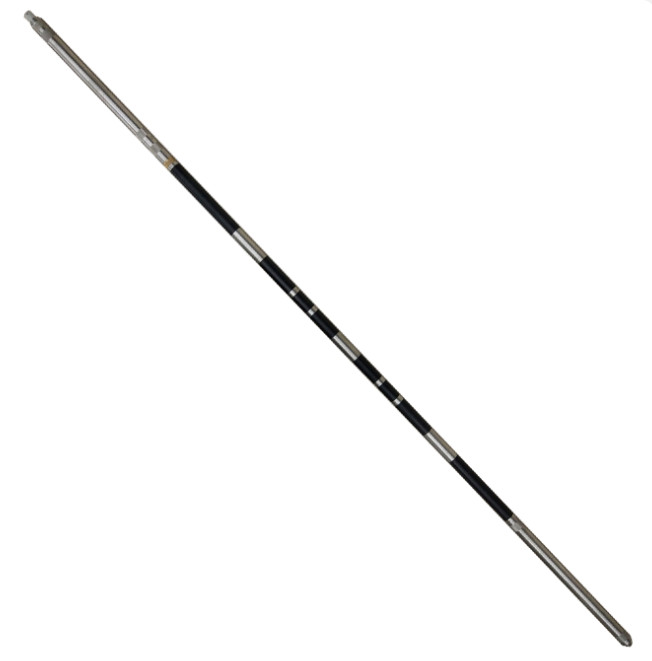
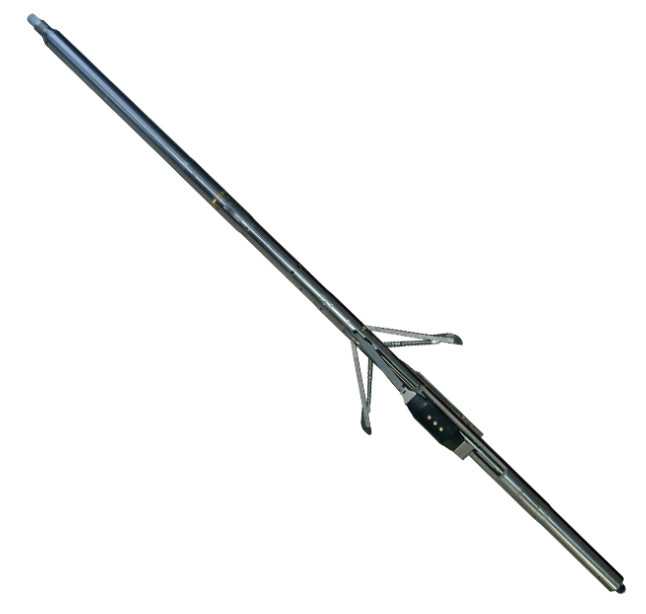
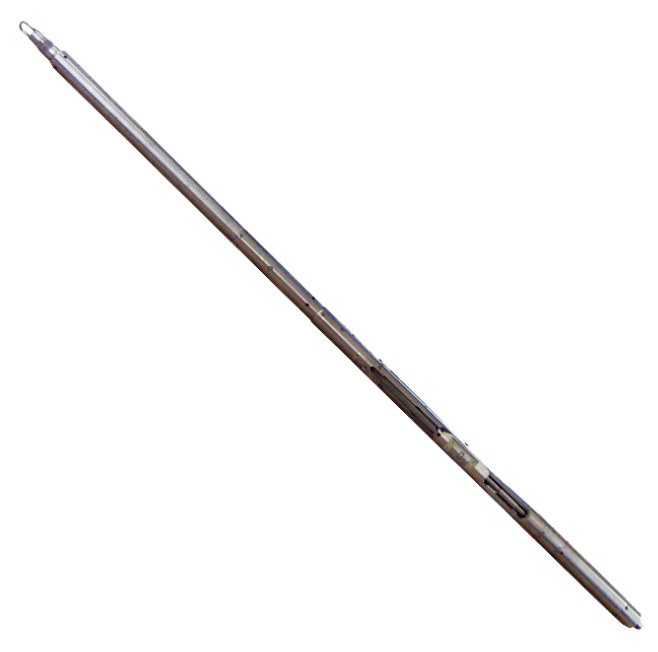
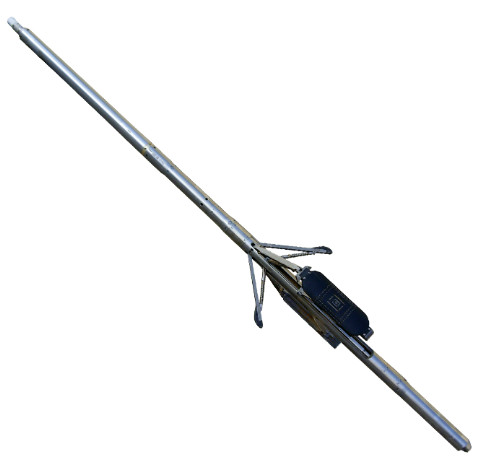
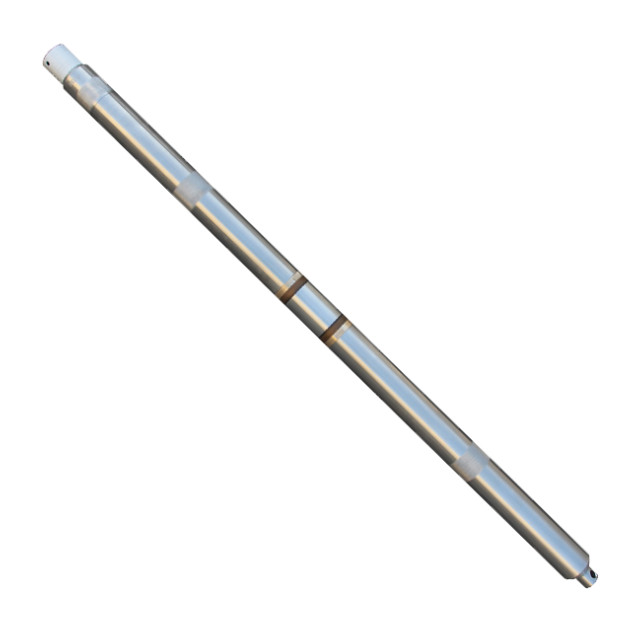
Electrode logging, i.e. electric logging, is the oldest well-logging method. Depending on the electrode-array arrangement and the energizing scheme, many related tools have been derived, such as apparent-resistivity logging, spontaneous-potential (SP) logging, induced-polarization (IP) logging, lateral logging, and micro-spherical focused logging.
It can be used to demarcate strata, determine bed thickness, estimate shale content, identify permeable intervals, and determine the invaded-zone resistivity; in coalfield and petroleum logging it is used to determine the net pay thickness of a mineral bed.
It is currently widely used in coalfield, coal-bed methane (CBM), shale gas, hydrology, and radioactive uranium deposits.
Specification
Parameter
Resistivity Potential (Ω·m)
Resistivity Gradient (Ω·m)
Spontaneous Potential (mV)
Induced Potential (mV)
Chargeability (%)
Measurement Range
0.1–10 k
0.1–10 k
0–±2000
0–1000
0–10
Measurement Accuracy
10%
10%
10%
10%
10%
leave a message
If you are interested in our products and want to know more details,please leave a message here,we will reply you as soon as we can.